Discover.
Entertain. Live. Asorock
Tiv: Benue Valley People, Swem Memory, and a Living Middle Belt Heritage
A visual guide to Tiv origins, language, land, lineage, farming, theatre, and modern identity — with tradition and scholarship kept in proper balance.
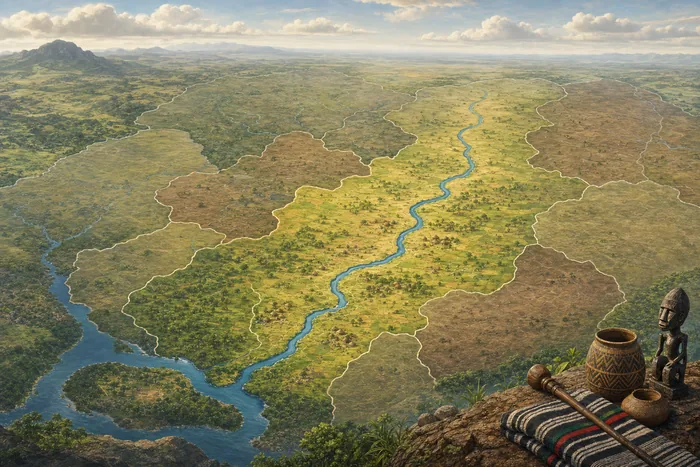
To understand the Tiv people, begin with the Benue River. It runs through a landscape where farms, towns, kinship histories, language, performance, and political institutions have shaped one of central Nigeria’s major ethnic identities. Tiv life is strongly associated with Benue State, but Tiv communities also live in neighbouring states and around the Nigeria-Cameroon border zone. Their origin story is not a single straight road: it is held in oral traditions, linguistic evidence, settlement history, and ongoing scholarly debate.
Start With the River
The Tiv are a major ethnic group of central Nigeria, strongly associated with Benue State and the Middle Benue Valley. Reference sources describe Tiv communities as living on both sides of the Benue River.
A good map of Tiv history should not draw hard ethnic walls. It should show a core area around Benue and a wider spread into neighbouring states and borderland communities.
Tivland Is Not Only One State
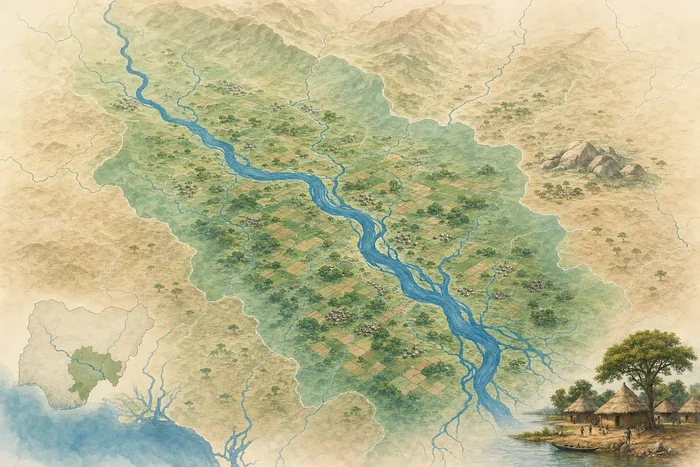
Benue State is the best-known contemporary heartland of Tiv identity. State material lists Tiv, Idoma, Igede and other groups in Benue, and says Tiv occupy 14 local government areas.
That does not make Benue a one-people state. Tiv, Idoma, Igede and other communities share the wider Benue story, while Tiv communities also live in places such as Taraba, Nasarawa, Plateau, Cross River and the FCT.
The Name Tiv Carries Ancestral Memory
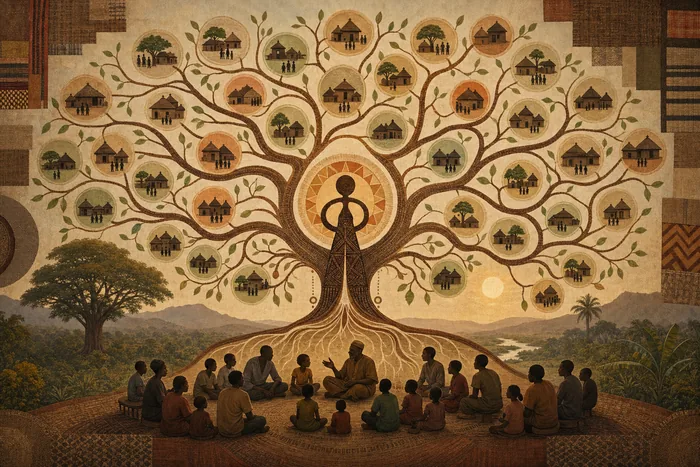
In Tiv tradition, the name Tiv refers both to the people and to an ancestral figure from whom Tiv descent is remembered.
This is a descent memory, not a census entry or archaeological proof by itself. For many communities, such ancestral traditions help organise belonging, kinship and identity across generations.
Swem: A Powerful Origin Landmark
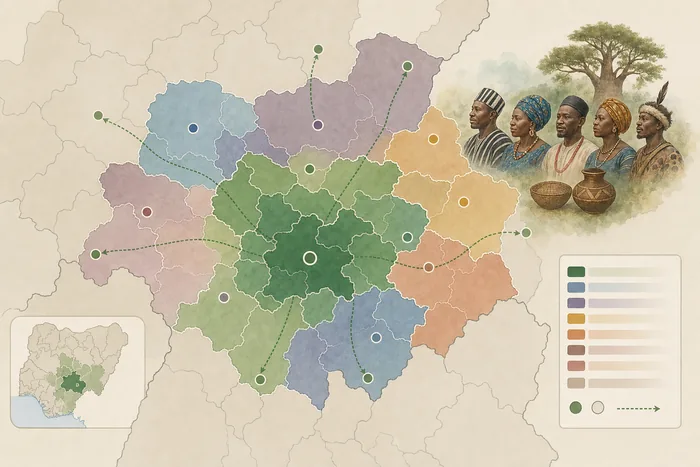
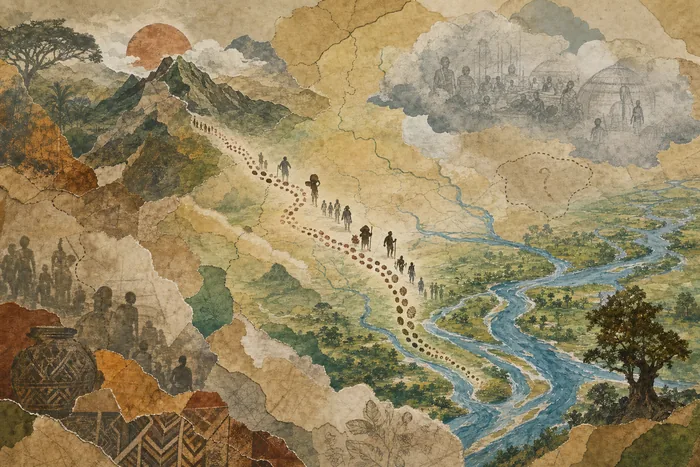
One widely cited Tiv migration tradition remembers Swem, in the Cameroon borderland, as an ancestral point before settlement in north-central Nigeria.
Because this belongs to oral tradition and interpretive history, the best visual is a dotted memory route — not a fixed GPS migration line. Scholars continue to debate the older history of Tiv movement and settlement.
Language Points to a Wider Nigeria-Cameroon Zone
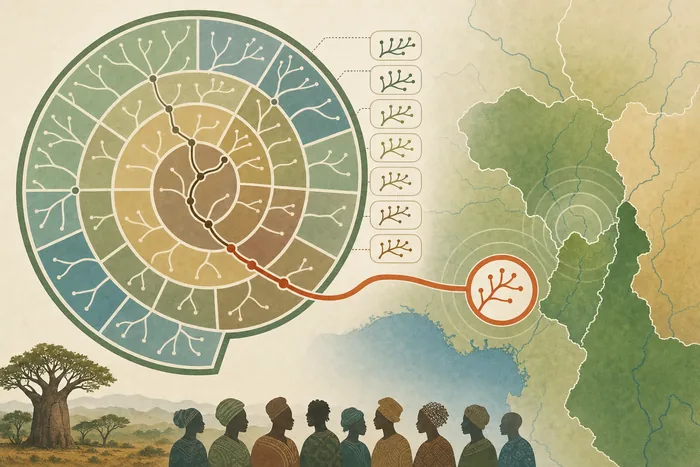
Tiv language belongs within the wider Benue-Congo/Niger-Congo language sphere. More specialised linguistic sources place Tiv in the Tivoid branch of Bantoid languages.
This matters, but it needs care. Language relationship can show historical contact and deep regional connection; it should not be treated as a complete ethnic genealogy or as proof of one exact migration route.
A Society Built Through Lineage
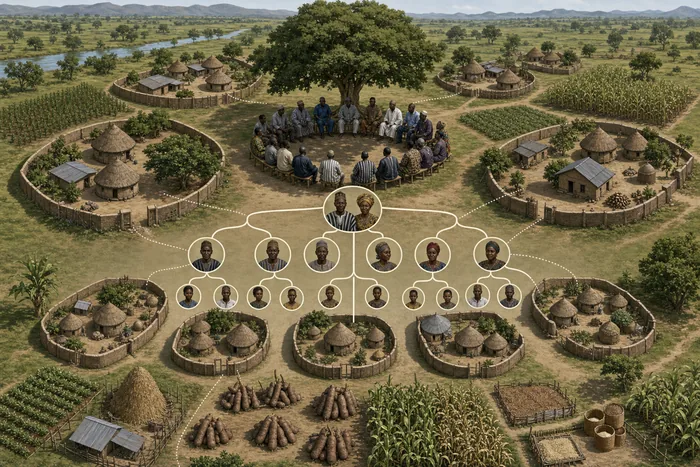
Tiv social organisation is widely described as patrilineal and segmentary. Historically, lineage relationships helped shape land rights, allegiance, settlement, dispute resolution and authority.
This does not mean Tiv society lacked order. It means authority was historically rooted more in kinship, elders and lineage segments than in the highly centralised palace systems seen in some neighbouring societies.
Farms, Food, and the Benue Landscape
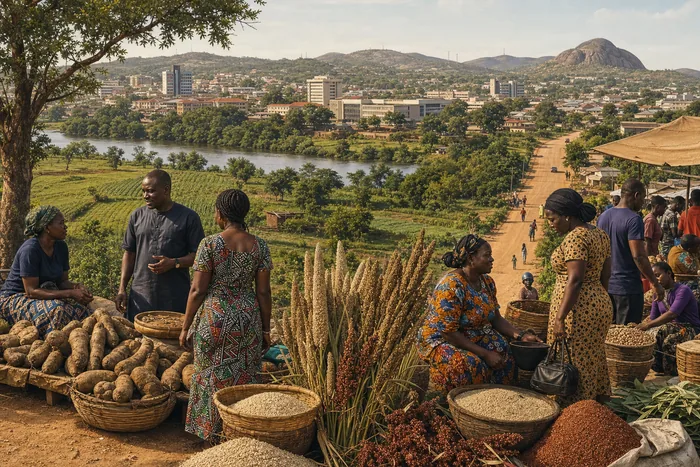
Agriculture is central to many descriptions of Tiv livelihood. Commonly cited crops include yams, millet and sorghum, while Benue State is widely associated with farming and food production.
The visual story should show land and food without freezing Tiv identity in the past. Tiv people today are also urban residents, professionals, students, public servants, artists, entrepreneurs and members of a wide diaspora.
Kwagh-hir: Storytelling That Moves
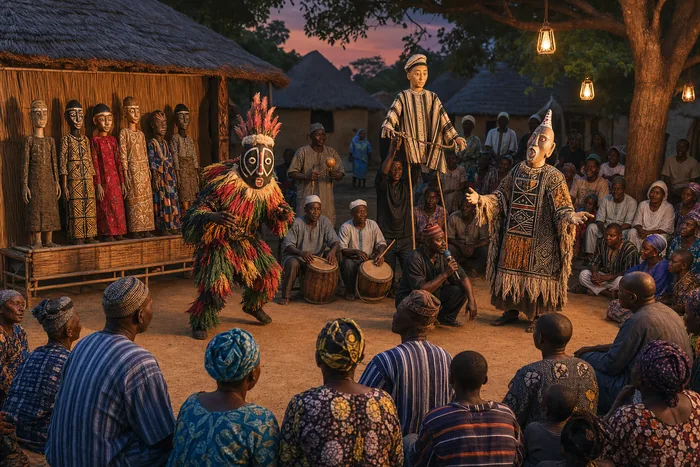
Kwagh-hir is a Tiv theatrical performance tradition combining puppetry, masks, music, dance, poetry and storytelling. UNESCO lists it as Intangible Cultural Heritage of Humanity.
UNESCO links Kwagh-hir to kwagh-alom storytelling traditions. It is best understood as living performance heritage — not just a colourful display, but a creative public art form carrying humour, social reflection, memory and community imagination.
Belief, Change, and Respect
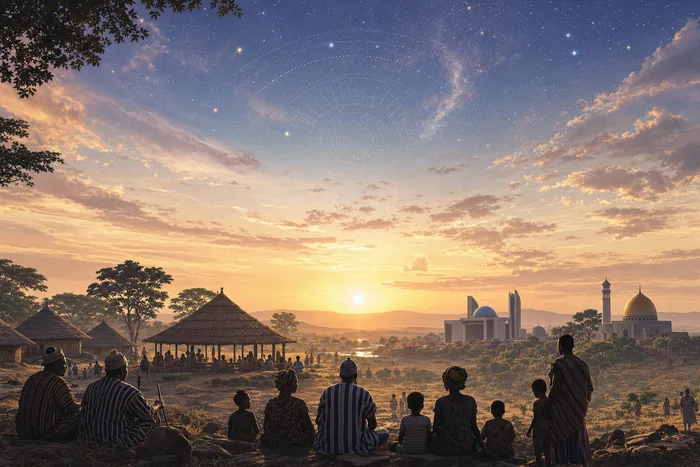
Traditional Tiv religious thought is often described around Aondo, the creator or supreme deity, and akombo, spiritual or ritual forces. Today, many Tiv people are Christian, while smaller Muslim communities are also noted in reference sources.
These traditions should not be presented as superstition or as something that simply vanished. Tiv religious life, like Nigerian religious life generally, includes continuity, change, family memory and contemporary faith identities.
From Lineage Authority to the Tor Tiv
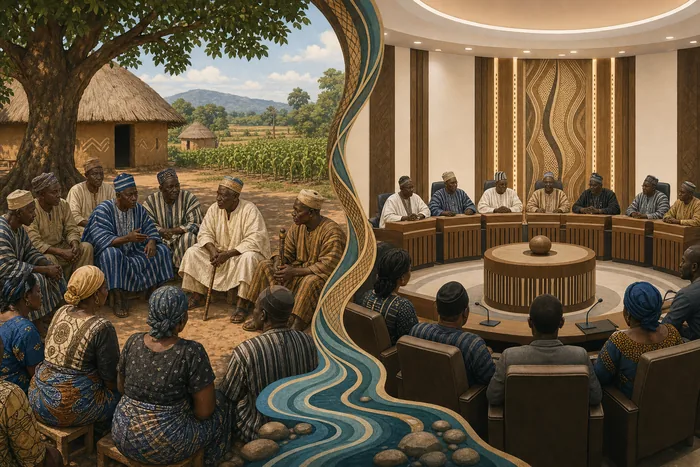
Historically, Tiv authority was strongly rooted in lineage and elders. In contemporary Benue State, the Tor Tiv is a recognised paramount traditional institution and chairs the Tiv Traditional Council.
The key is not to project today’s institution backward unchanged. The modern Tor Tiv matters deeply in public identity, but older Tiv political organisation is usually described as less centralised and lineage-based.
Written Records Arrive Late
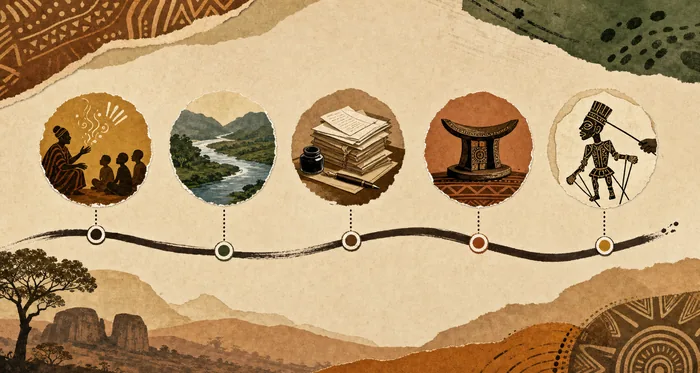
Written records clearly locate Tiv communities in the Benue Valley by the 19th century. Encyclopedia.com reports European contact with Tiv communities in 1852, followed by deeper British military and administrative entry in the early 20th century.
This timeline reminds us why early Tiv origins are discussed through both oral memory and scholarly interpretation. Colonial records are useful, but they are not the beginning of Tiv history.
Key Takeaways
- The Tiv are a major central Nigerian ethnic group, strongly associated with Benue State and the Middle Benue Valley.
- Tiv origin history should be told carefully: Swem/Cameroon is a prominent oral tradition, while older migration routes remain debated.
- Tiv language is best described as Tivoid/Bantoid within the wider Benue-Congo/Niger-Congo sphere; language classification is not the same as a full ethnic genealogy.
- Lineage, farming, compound life, religious thought, performance and modern institutions all help shape Tiv identity.
- Kwagh-hir is a living Tiv theatrical tradition recognised by UNESCO, linking performance to storytelling, community reflection and heritage.
What To Watch
Future Tiv heritage work should listen closely to community custodians, language workers, performers, historians and families across different Tiv areas. Watch especially for deeper documentation on Swem traditions, Tiv language preservation, Kwagh-hir practice, Benue farming culture, and how younger Tiv people in towns and the diaspora are carrying identity forward.
Sources
- Tiv - Encyclopaedia Britannica, n.d.; accessed 2026-05-28
- Tiv - Encyclopedia.com / Encyclopedia of World Cultures, n.d.; accessed 2026-05-28
- Tiv Language - Ethnologue, n.d.; accessed 2026-05-28
- Kwagh-hir theatrical performance - UNESCO Intangible Cultural Heritage, 2019 inscription page; accessed 2026-05-28
- The Narratives of Origin and Migration of the Tiv People (of Nigeria) as an Indigenous Interpretive Resource for the Interpretation of the Book of Exodus - Scriptura: Journal for Biblical, Theological and Contextual Hermeneutics, 2013-06-12 online record; article in Vol. 90 (2005)
- World Directory of Minorities and Indigenous Peoples - Nigeria: Tiv - Minority Rights Group International via Refworld, 2018 record; accessed 2026-05-28
- Benue - Agro-Climatic Resilience in Semi-Arid Landscapes (ACReSAL), Federal Government of Nigeria/World Bank-supported programme, n.d.; accessed 2026-05-28
- The Tivoid Languages - Roger Blench, circulation draft, n.d.; accessed 2026-05-28
- Perspectives on the Origin, Genealogical Narration, Early Migrations and Settlement Morphology of the Tiv of Central Nigeria - International Journal of Academic Pedagogical Research / ResearchGate copy, 2020-08
More in Nigeria Ethnic Origins
More Summaries
- Nigeria Festivals A recurring monthly review/tracker of top festivals and cultural events in Nigeria
- Nigeria Sports Stars Timely analysis articles about Nigerian sports stars across all sports, with special depth for...
- Geopolitical Conflict Deep Dive Source-backed deep dives into major geopolitical conflict developments, explaining what happened,...
- News Summaries Nigeria News Summaries is your go-to digest for the latest headlines from Nigeria and beyond. We...